Roseate Spoonbill
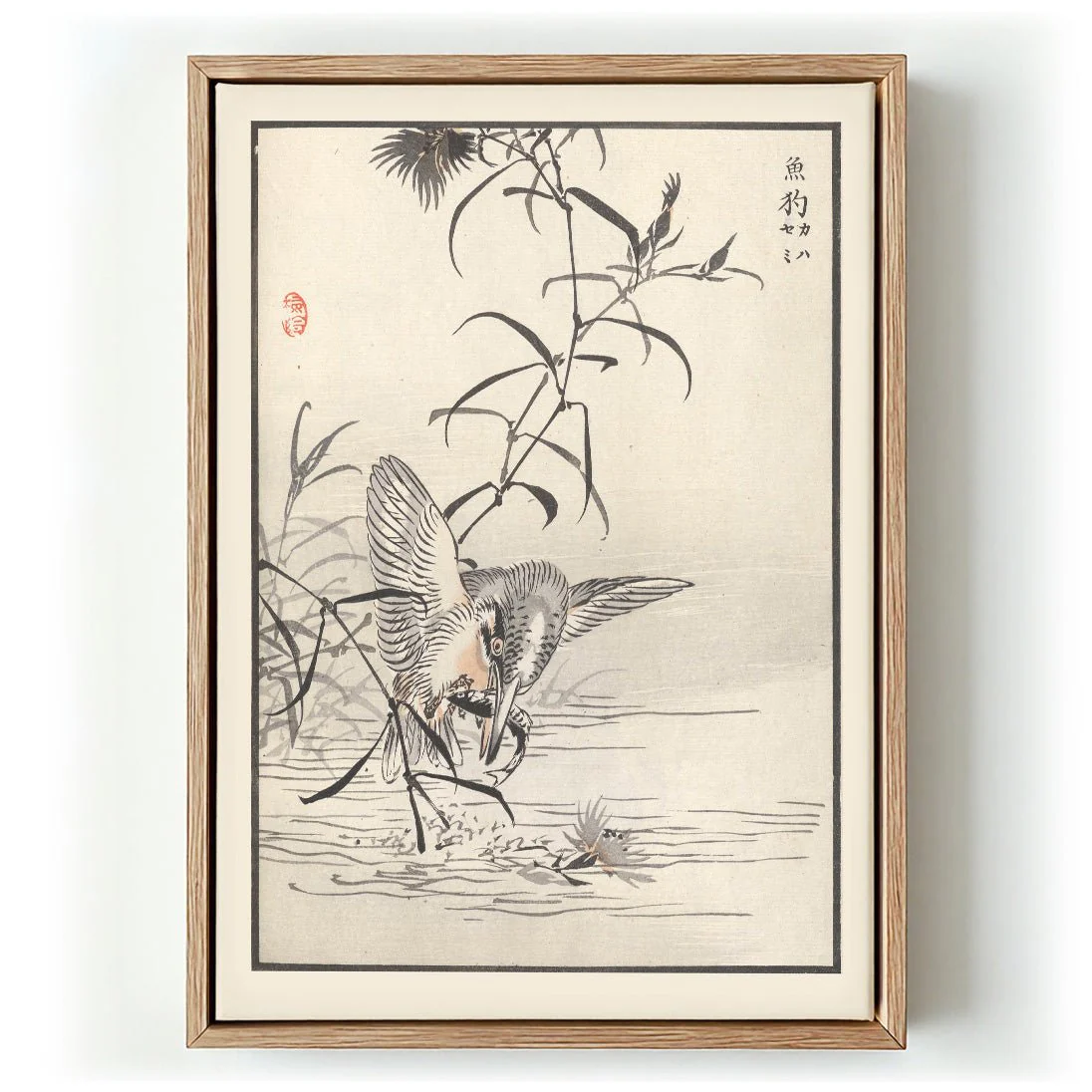
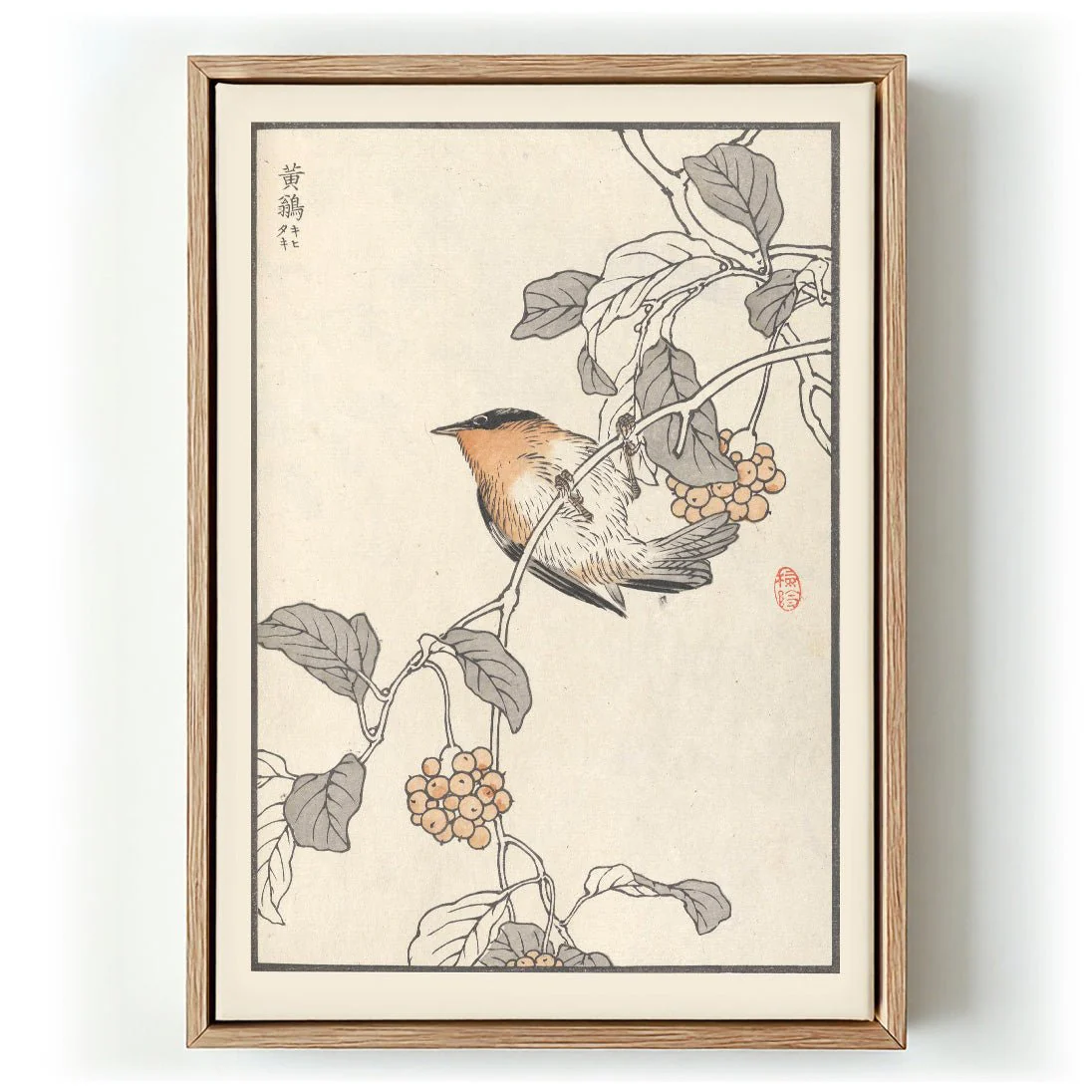
The Roseate Spoonbill is rendered here with the careful scientific attention and compositional elegance of classical natural history illustration. The bird's distinctive spatulate bill and vivid rose-pink plumage are depicted with precision, set against a spare background that directs full attention to the subject. This style of zoological plate — meticulous, authoritative, and quietly beautiful — reached its peak in the 18th and 19th centuries, when illustration was the primary tool of natural science.
Cotton canvas lends this zoological plate the warmth of a studio painting. The weave deepens the spoonbill's rose-pink plumage, mutes the spare background into a considered field, and softens the plate's hard-edged authority into something tactile and contemplative. As a canvas print, the subject carries the quiet seriousness of a framed museum study rather than a sheet.
The Roseate Spoonbill is rendered here with the careful scientific attention and compositional elegance of classical natural history illustration. The bird's distinctive spatulate bill and vivid rose-pink plumage are depicted with precision, set against a spare background that directs full attention to the subject. This style of zoological plate — meticulous, authoritative, and quietly beautiful — reached its peak in the 18th and 19th centuries, when illustration was the primary tool of natural science.
Cotton canvas lends this zoological plate the warmth of a studio painting. The weave deepens the spoonbill's rose-pink plumage, mutes the spare background into a considered field, and softens the plate's hard-edged authority into something tactile and contemplative. As a canvas print, the subject carries the quiet seriousness of a framed museum study rather than a sheet.
Original: $53.50
-65%$53.50
$18.72Description
The Roseate Spoonbill is rendered here with the careful scientific attention and compositional elegance of classical natural history illustration. The bird's distinctive spatulate bill and vivid rose-pink plumage are depicted with precision, set against a spare background that directs full attention to the subject. This style of zoological plate — meticulous, authoritative, and quietly beautiful — reached its peak in the 18th and 19th centuries, when illustration was the primary tool of natural science.
Cotton canvas lends this zoological plate the warmth of a studio painting. The weave deepens the spoonbill's rose-pink plumage, mutes the spare background into a considered field, and softens the plate's hard-edged authority into something tactile and contemplative. As a canvas print, the subject carries the quiet seriousness of a framed museum study rather than a sheet.