Formes Circulaires, Soleil by Robert Delaunay
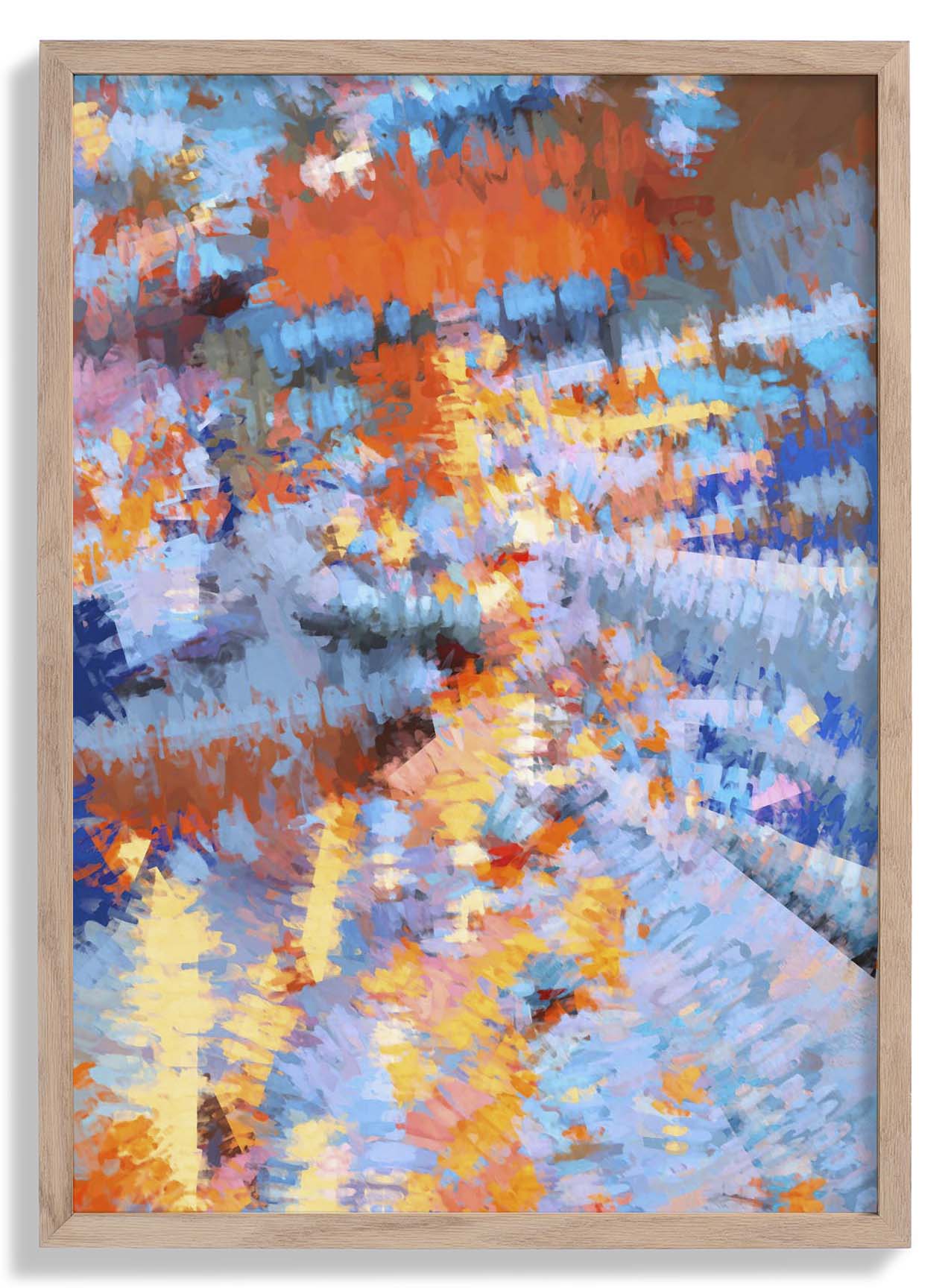
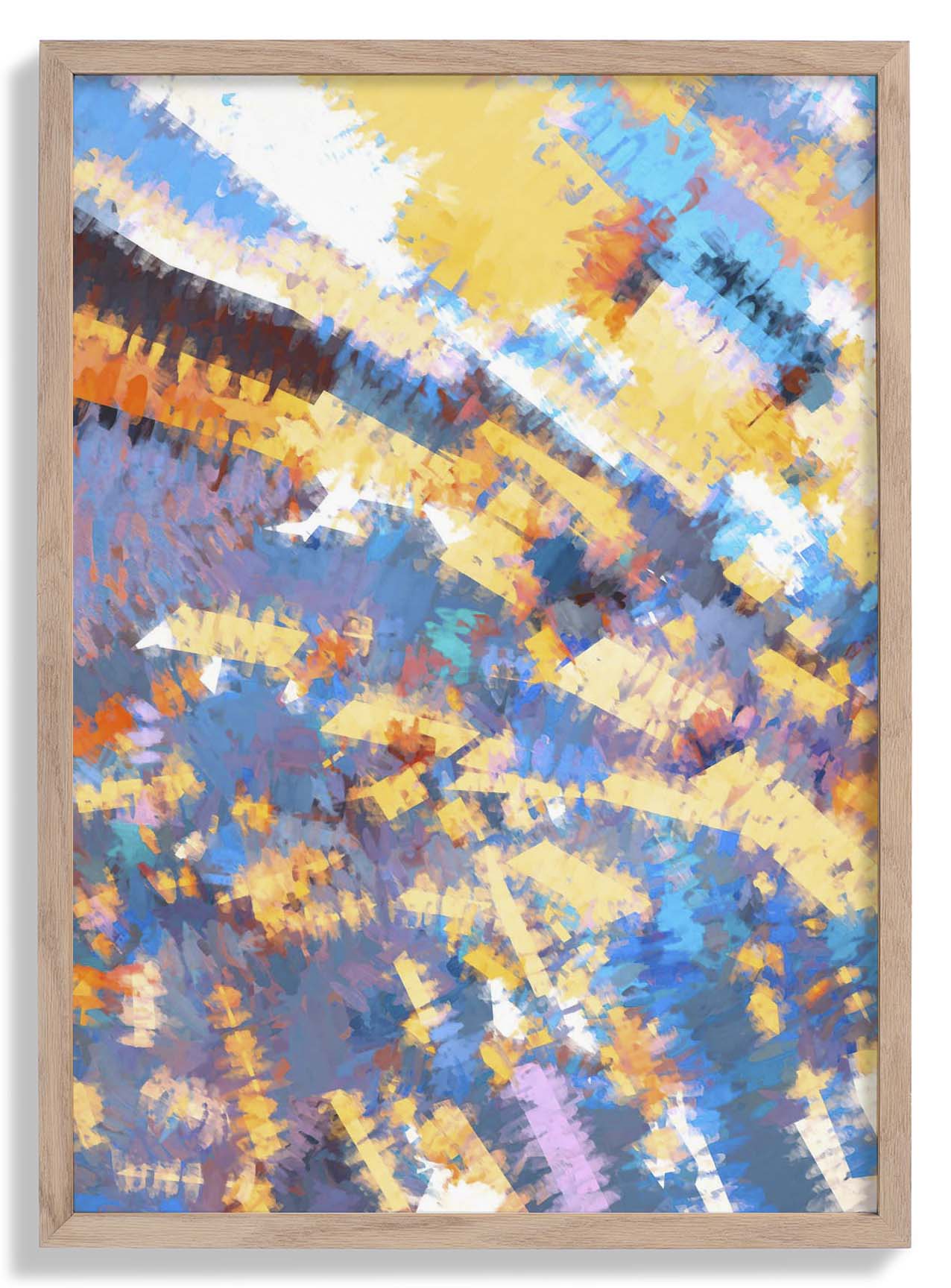
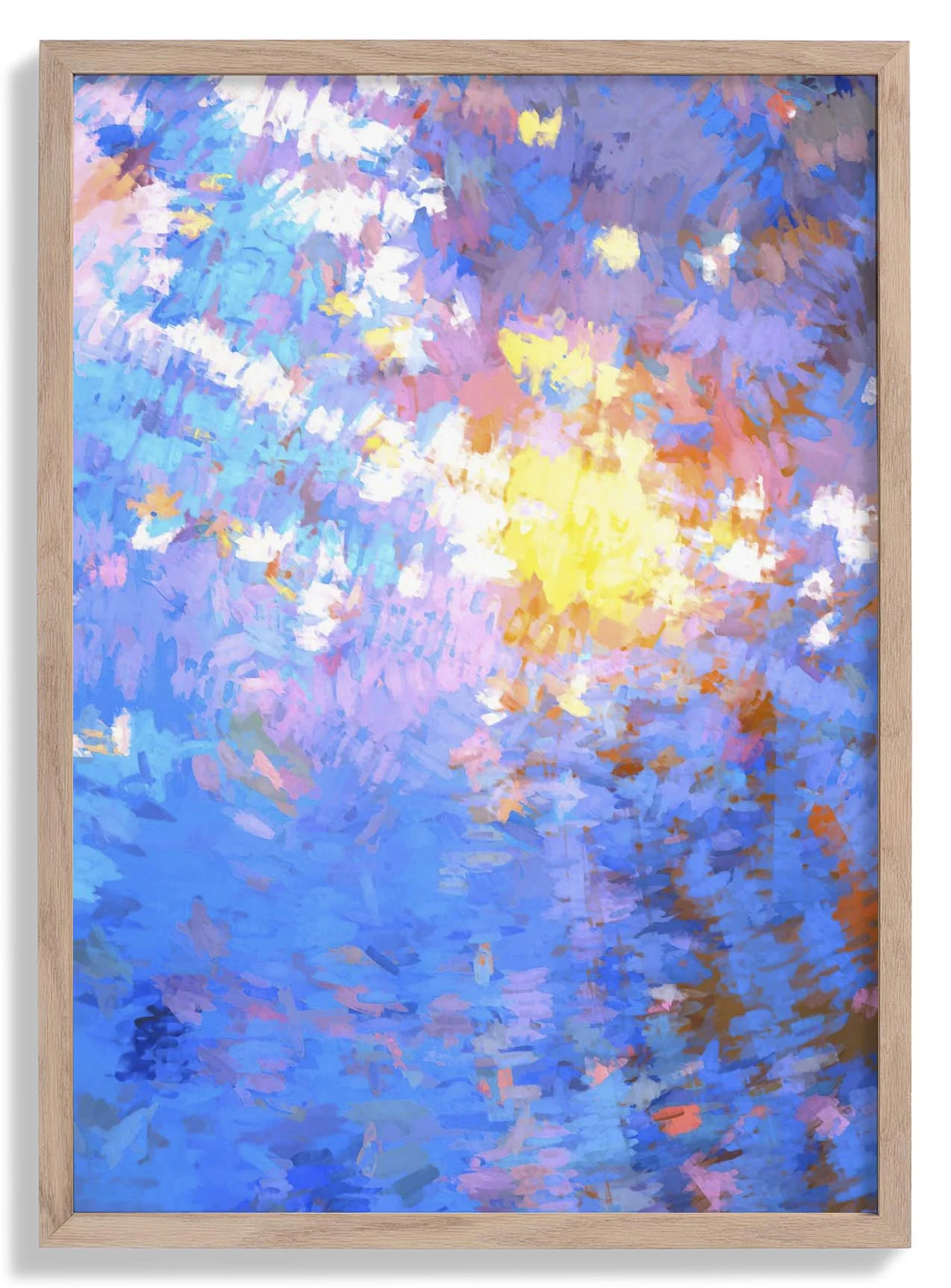
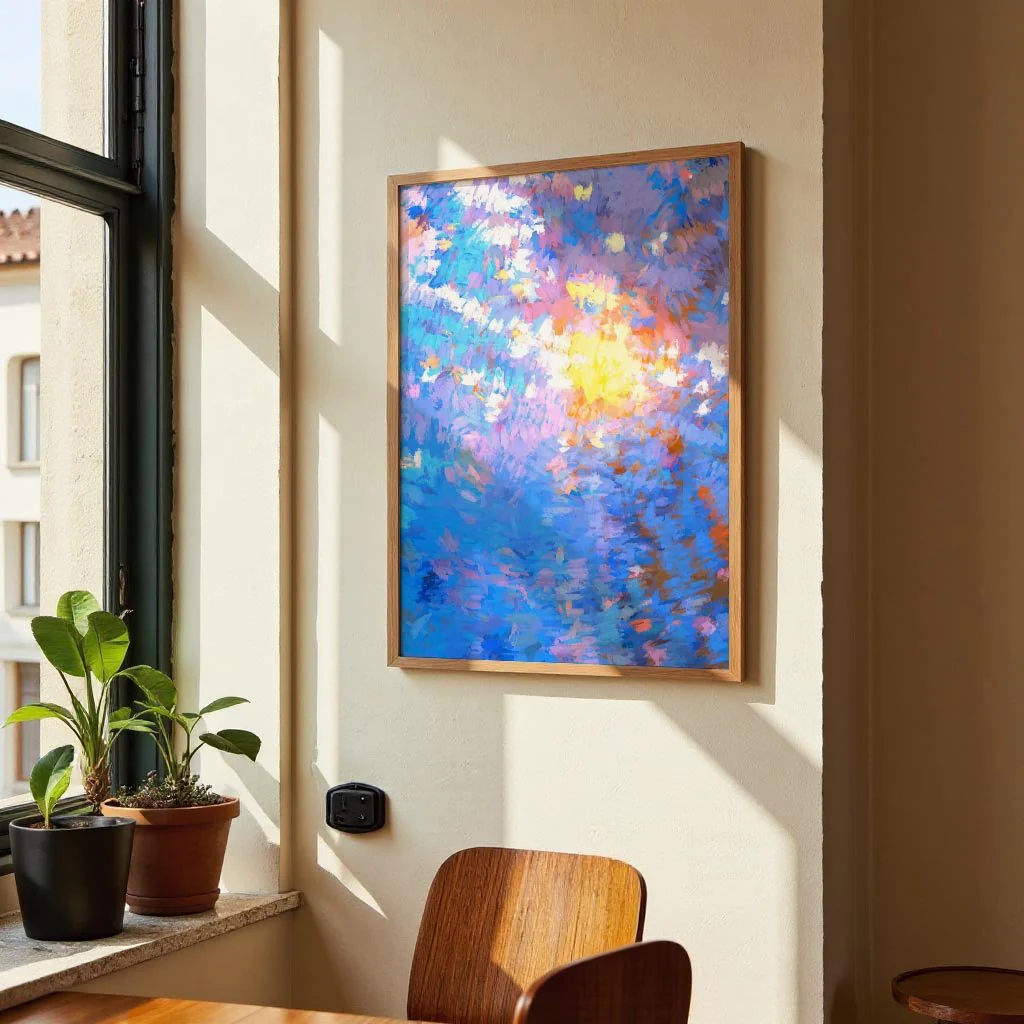
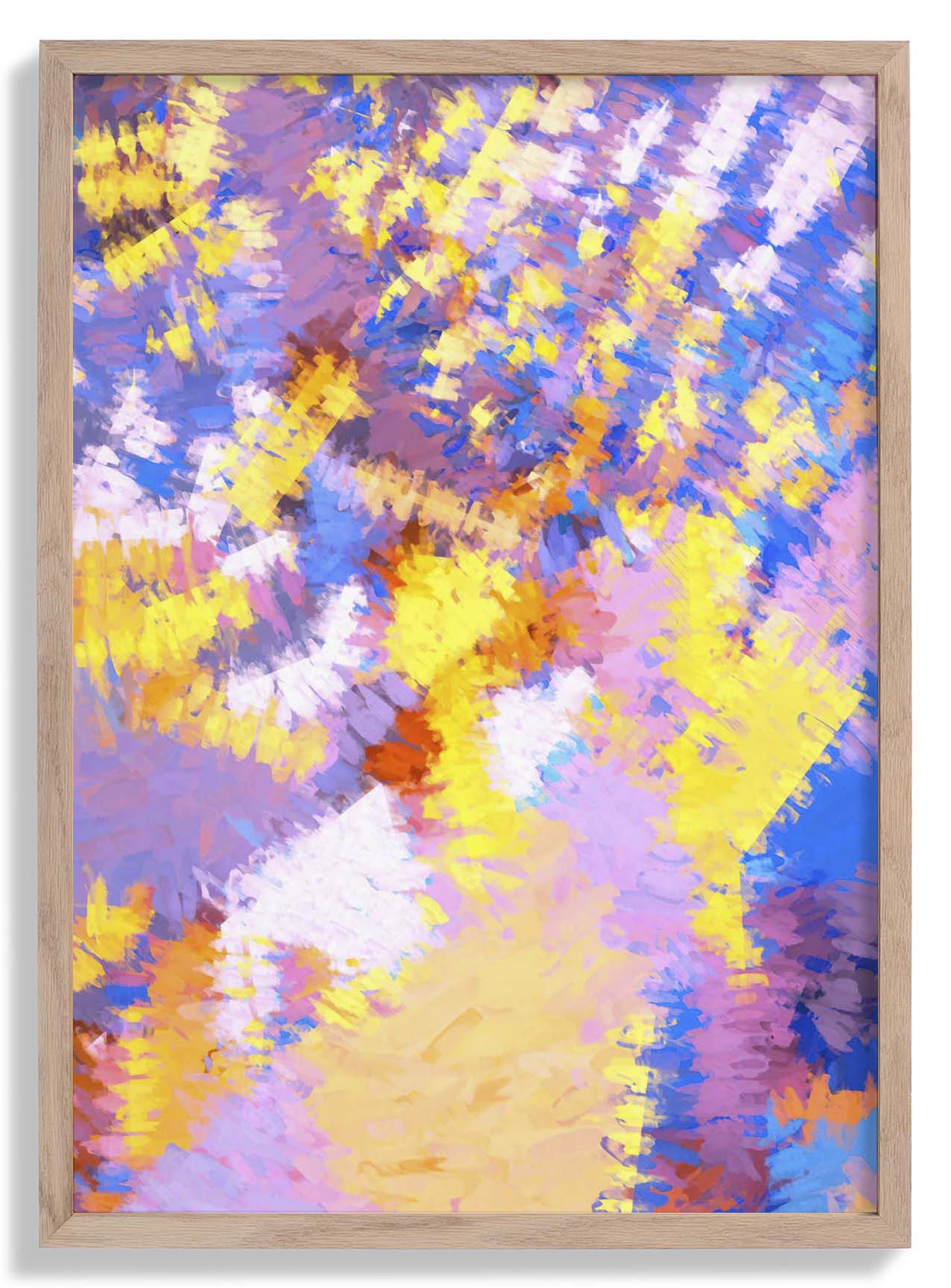
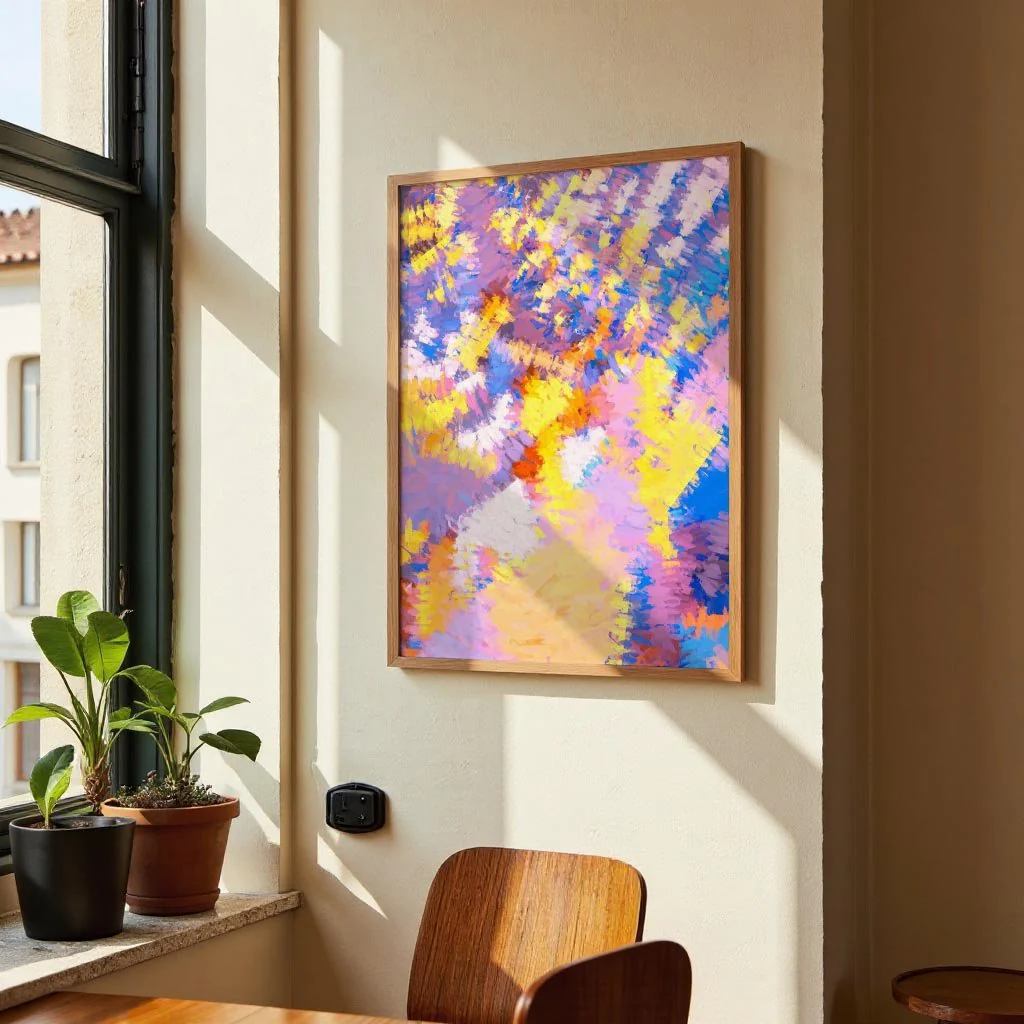
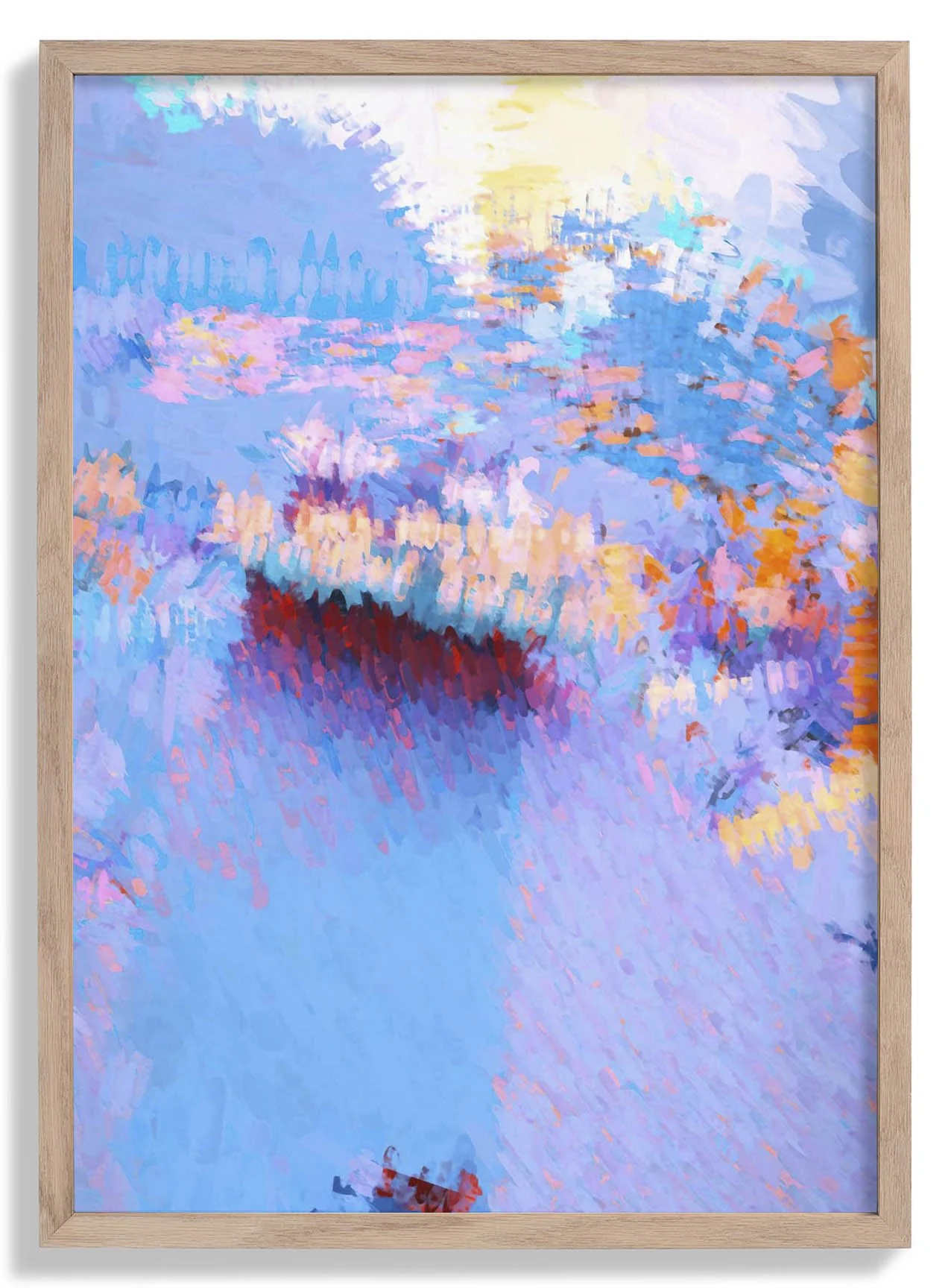
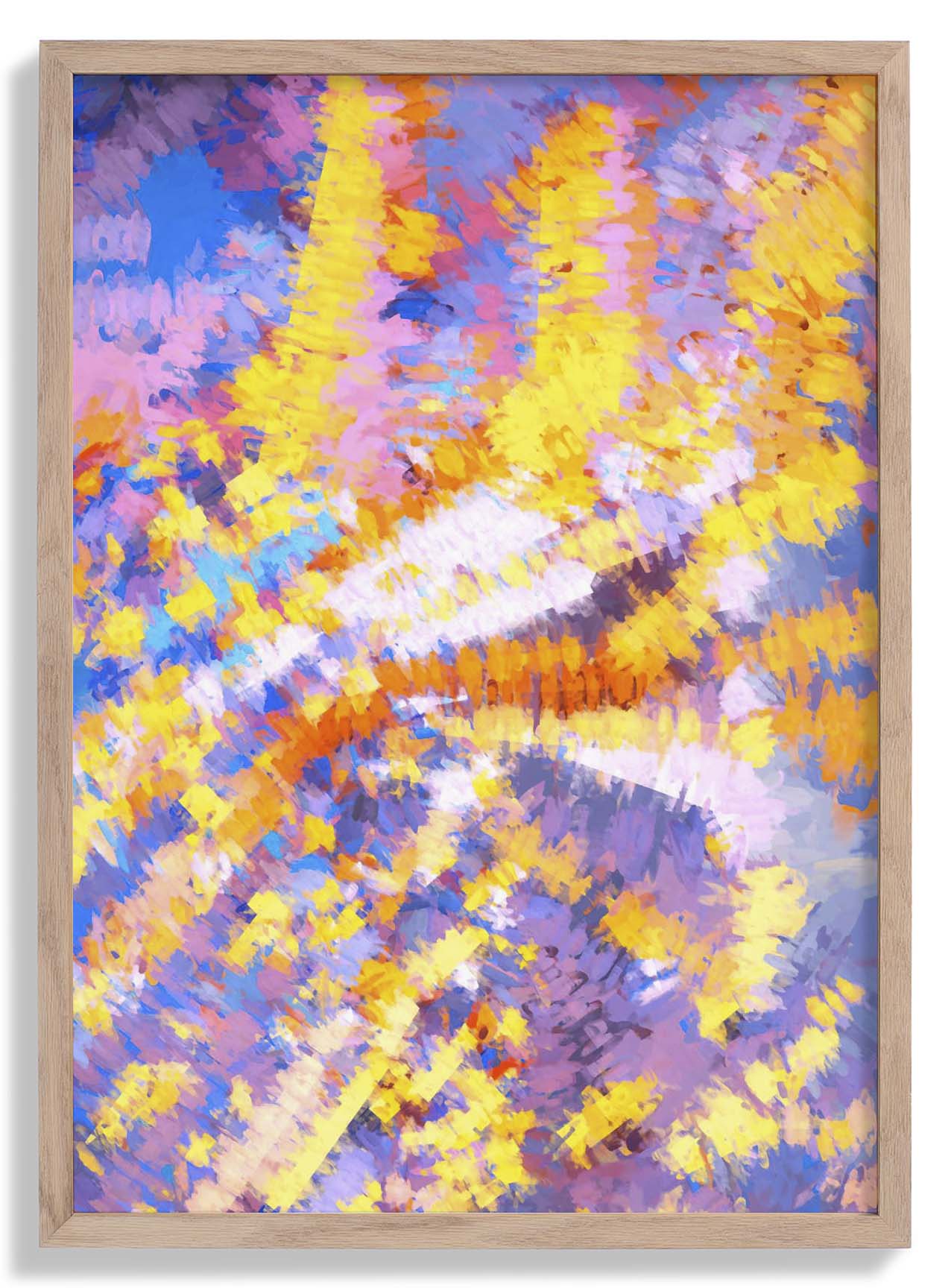
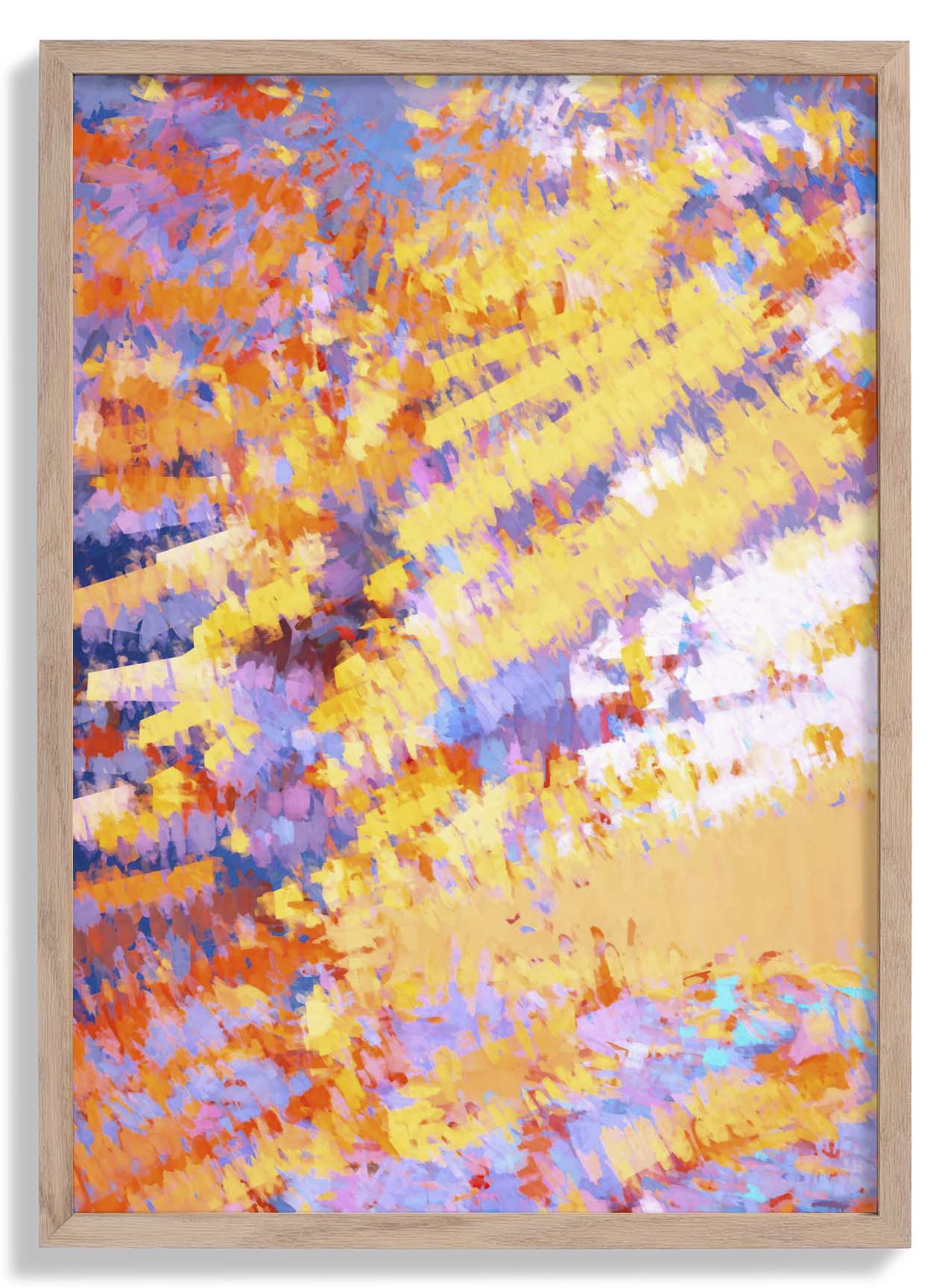
Formes Circulaires, Soleil is Robert Delaunay at the height of his Orphist ambitions. Concentric arcs of pure colour radiate from a solar centre, the composition built entirely from rhythm and chromatic contrast rather than representation. Delaunay believed colour itself could generate movement and light — this painting is proof. The disc forms rotate visually against each other, creating a dynamic energy that never quite settles. Painted around 1912–13, it stands as one of the purest expressions of early abstract painting in European modernism.
On canvas, the luminous colour fields gain warmth and physical presence. The woven texture adds depth to each chromatic arc, making the colour relationships richer and more complex. A canvas print where abstraction and material warmth meet perfectly.
Formes Circulaires, Soleil is Robert Delaunay at the height of his Orphist ambitions. Concentric arcs of pure colour radiate from a solar centre, the composition built entirely from rhythm and chromatic contrast rather than representation. Delaunay believed colour itself could generate movement and light — this painting is proof. The disc forms rotate visually against each other, creating a dynamic energy that never quite settles. Painted around 1912–13, it stands as one of the purest expressions of early abstract painting in European modernism.
On canvas, the luminous colour fields gain warmth and physical presence. The woven texture adds depth to each chromatic arc, making the colour relationships richer and more complex. A canvas print where abstraction and material warmth meet perfectly.
Original: $46.52
-65%$46.52
$16.28Description
Formes Circulaires, Soleil is Robert Delaunay at the height of his Orphist ambitions. Concentric arcs of pure colour radiate from a solar centre, the composition built entirely from rhythm and chromatic contrast rather than representation. Delaunay believed colour itself could generate movement and light — this painting is proof. The disc forms rotate visually against each other, creating a dynamic energy that never quite settles. Painted around 1912–13, it stands as one of the purest expressions of early abstract painting in European modernism.
On canvas, the luminous colour fields gain warmth and physical presence. The woven texture adds depth to each chromatic arc, making the colour relationships richer and more complex. A canvas print where abstraction and material warmth meet perfectly.